03 • ARCHITECTURE
Canal Nacional, Linear Park
A landscape and urban intervention promoting healthy living, commerce, and environmental awareness.
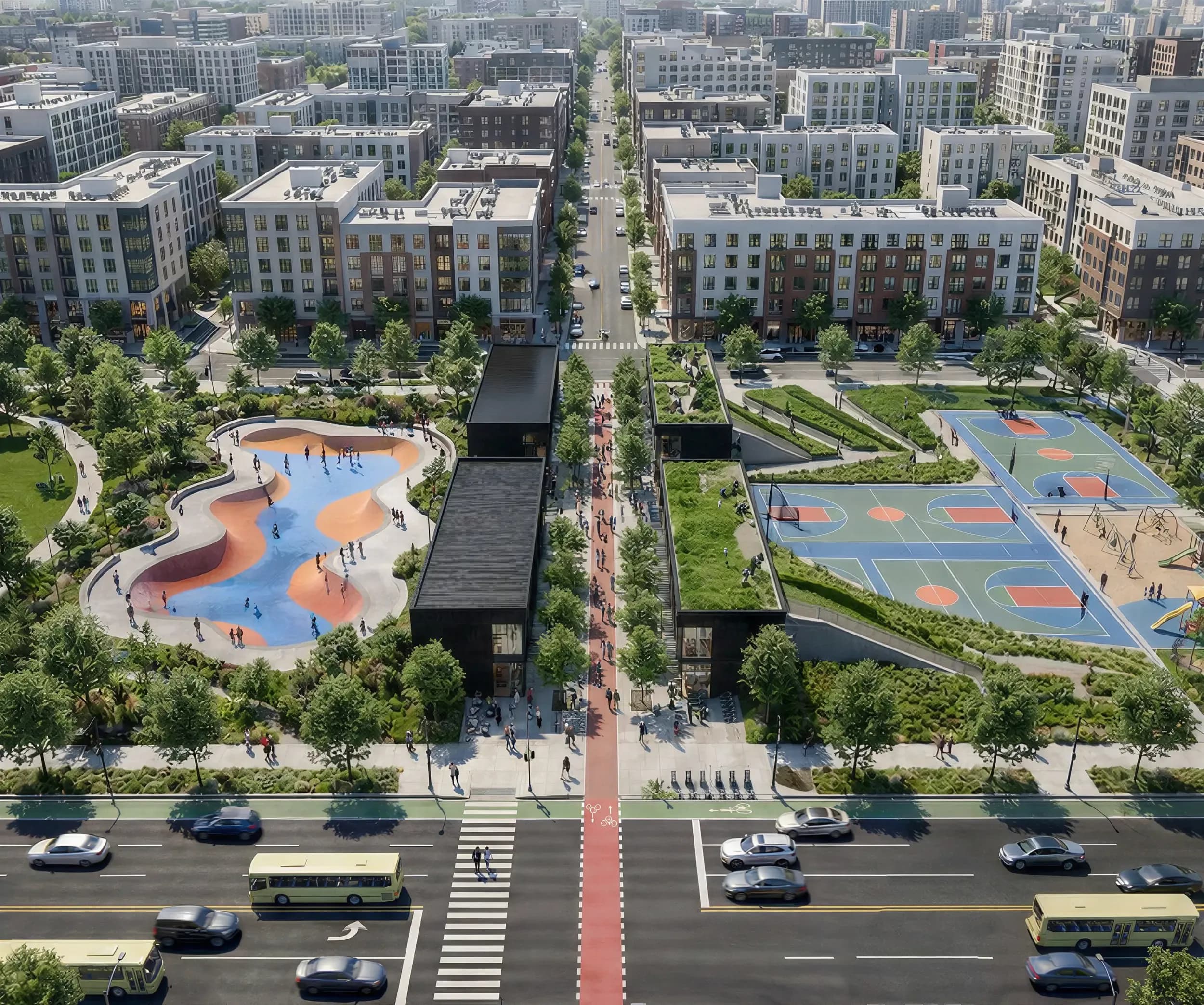
Overview
Originally serving as one of Mexico’s main sources of fresh water before the Spanish Conquest in 1521, the Canal remains operational regardless of the urban footprint that has invaded the entire ecosystem over the last century. It is considered a high-value environmental reservoir with endangered life forms that requires an immediate landscape and urban intervention.
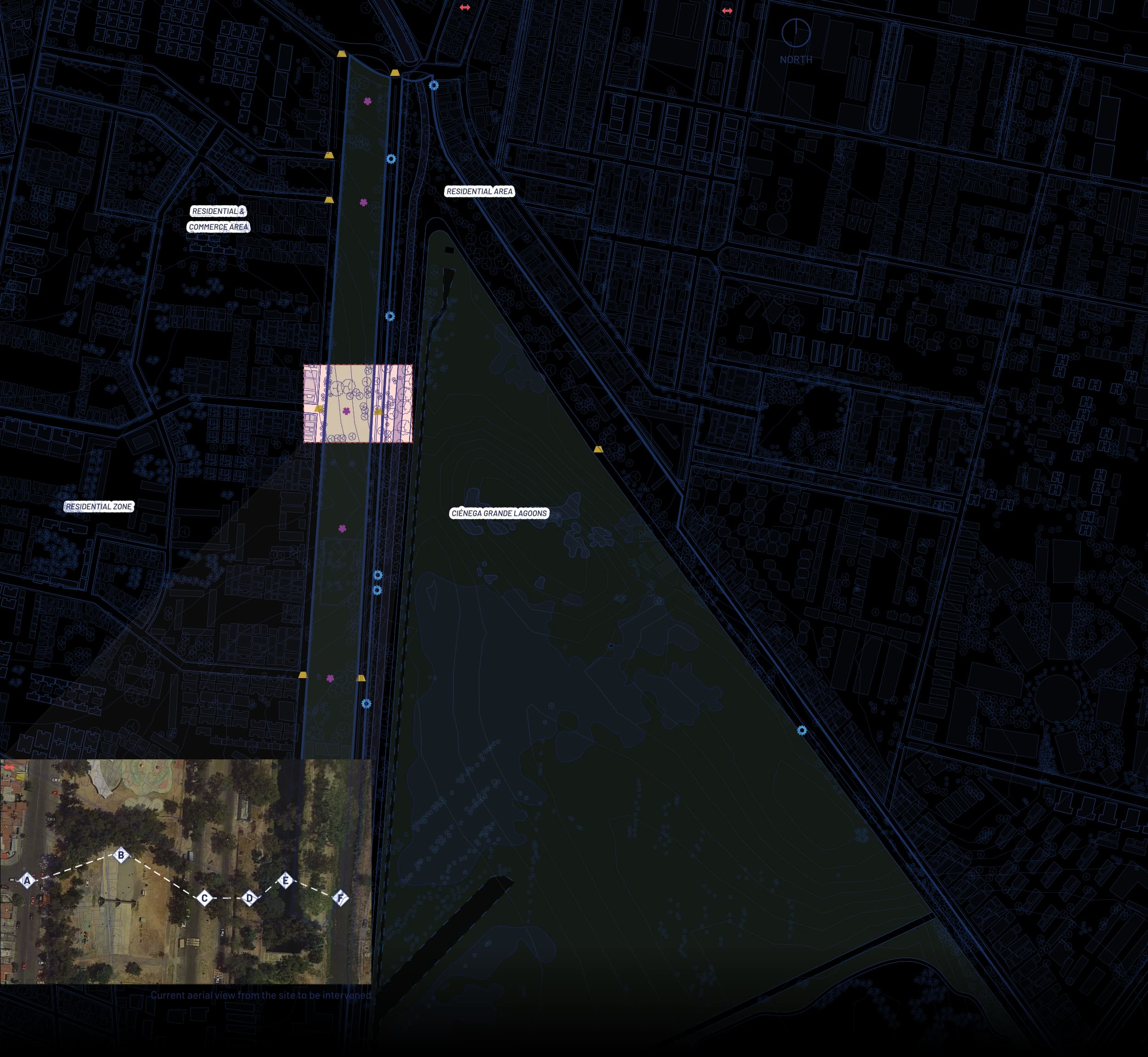
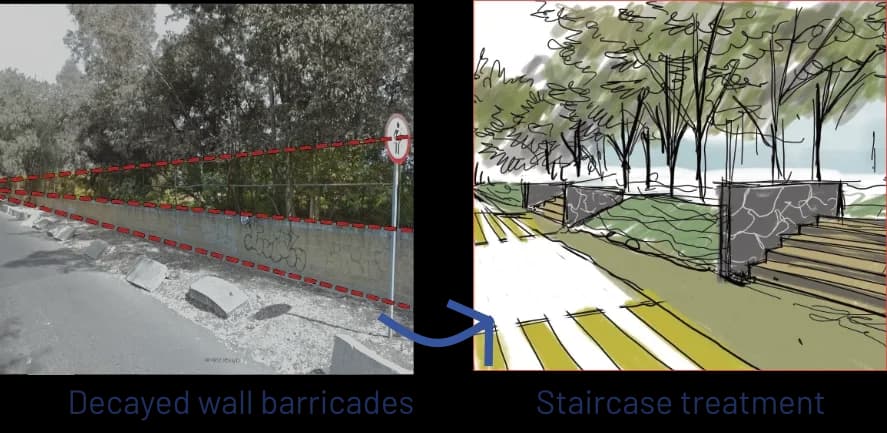
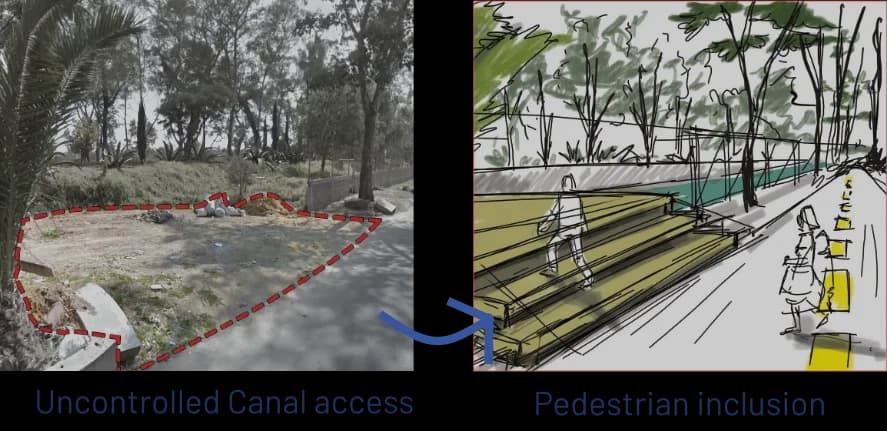
Canal Nacional has suffered abandonment and ecological negligence over the years, turning the zone into a major point of conflict. The current site is suffering from environmental degradation, insecurity, urban connectivity, and cultural preservation.
Challenges
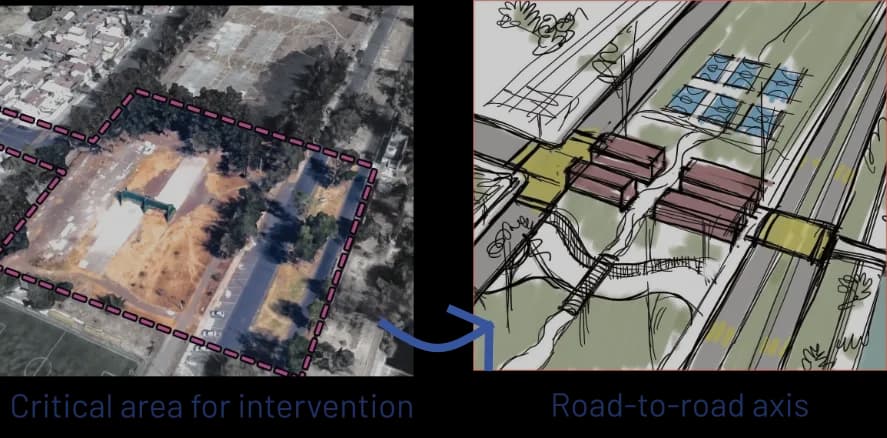
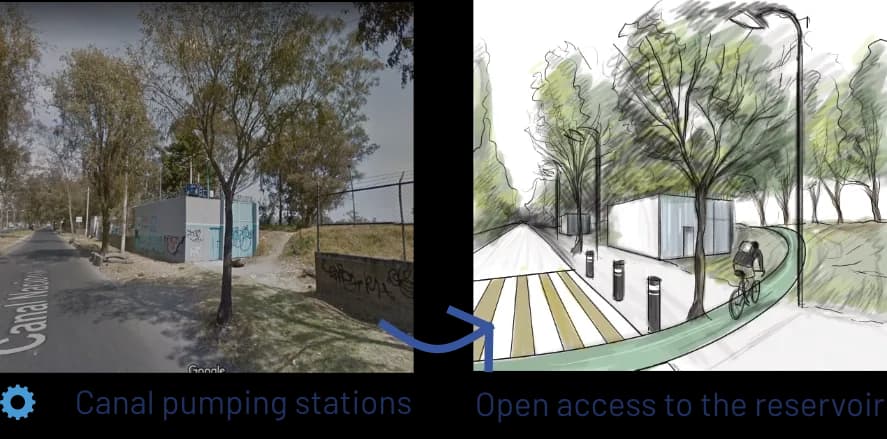
Rethink the existing urban-environmental dialogue between Canal Nacional and its four surrounding quarters that make up the immediate context. Perform a ~30,000 sqm landscape intervention addressing the most relevant issues at an ecological, architectural, and urban level.
Objectives
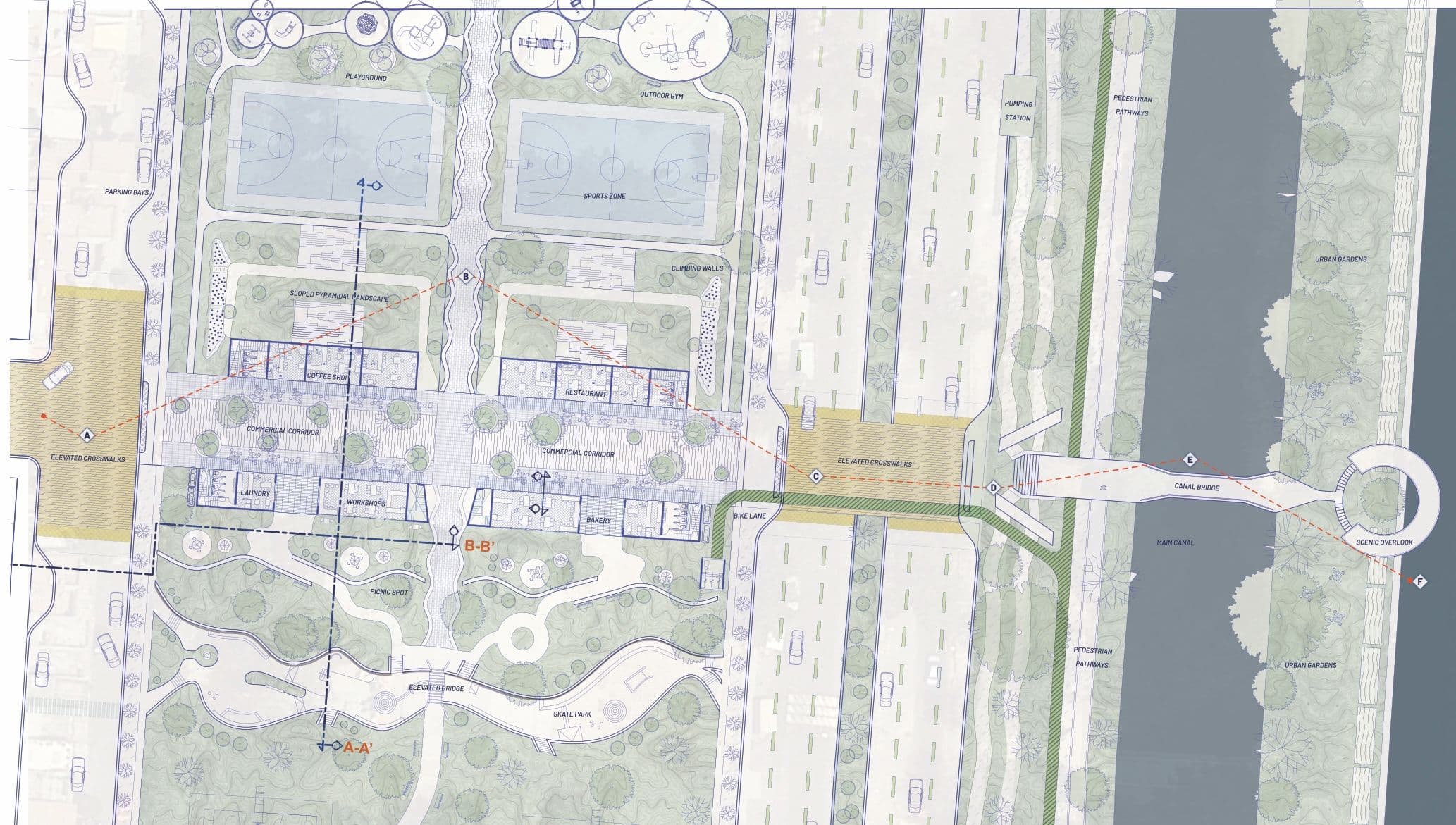
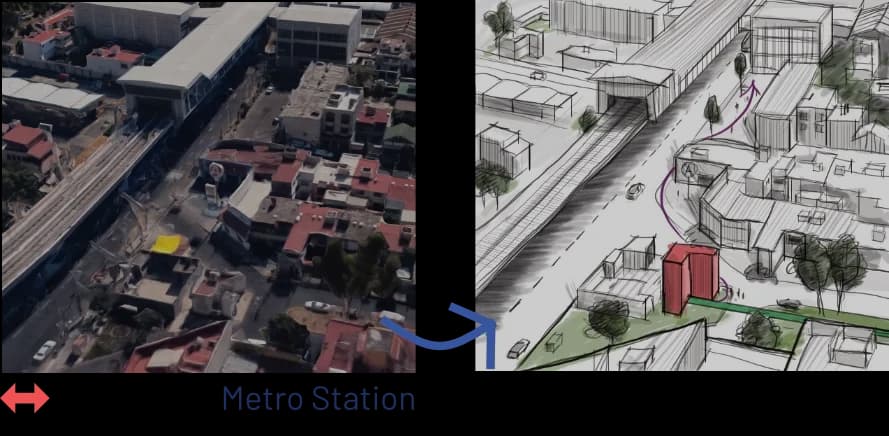
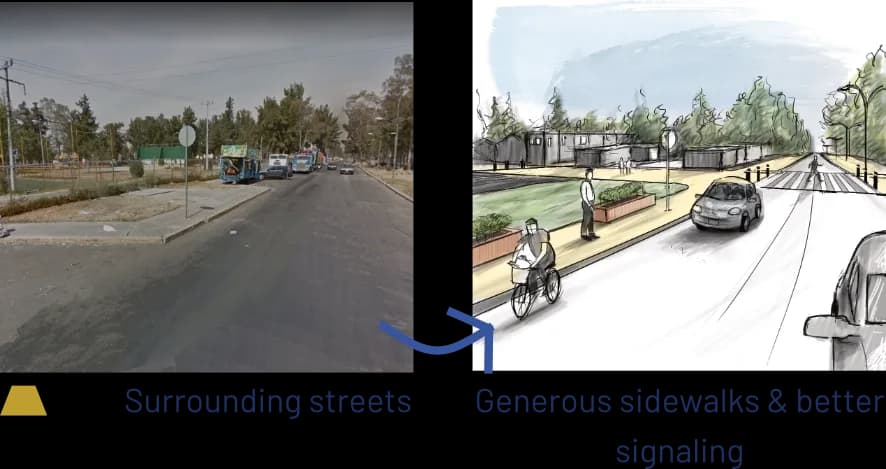
1. Intervene the existing surrounding areas of Ciénega Grande with a new iconic public space 2. Find a balance between the endangered ecosystem and the urban footprint through conscious design strategies 3. Upgrade the green areas and sport facilities of the area with a pedestrian-first architectural intervention 4. Offer non-motorized commuting alternatives to the residents by implementing proper sidewalks and bike lanes
Approach
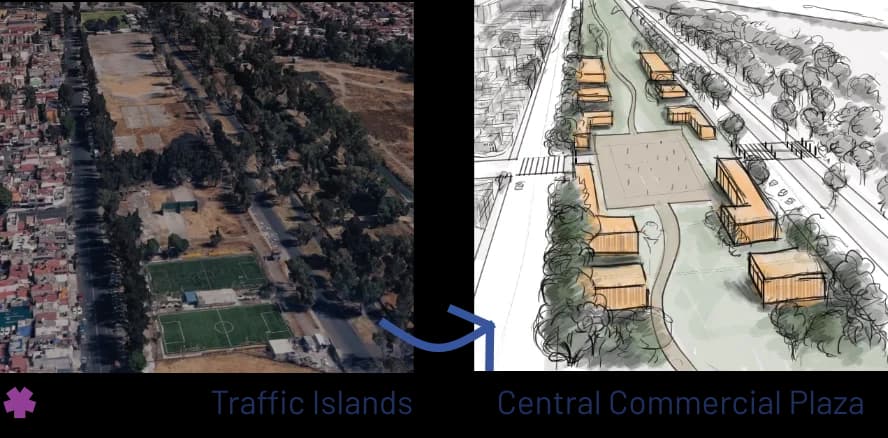
A linear park that seeks to revitalize the use of public space through landscaping work. We propose new commercial spots that connect urban life with the natural reservoir of Canal Nacional. The urban intervention balances urban traffic with local shopping, sports, leisure, and urban gardens.
Elevations
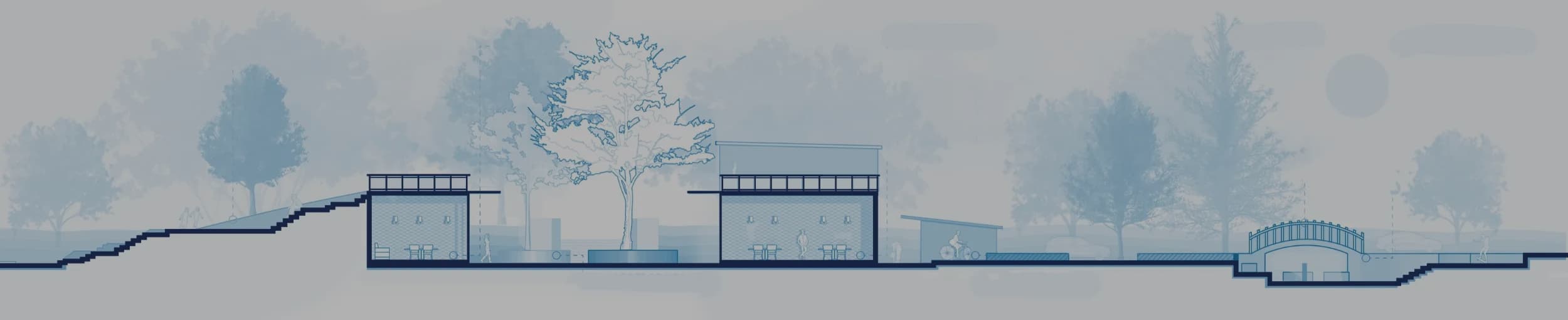
Section Cuts
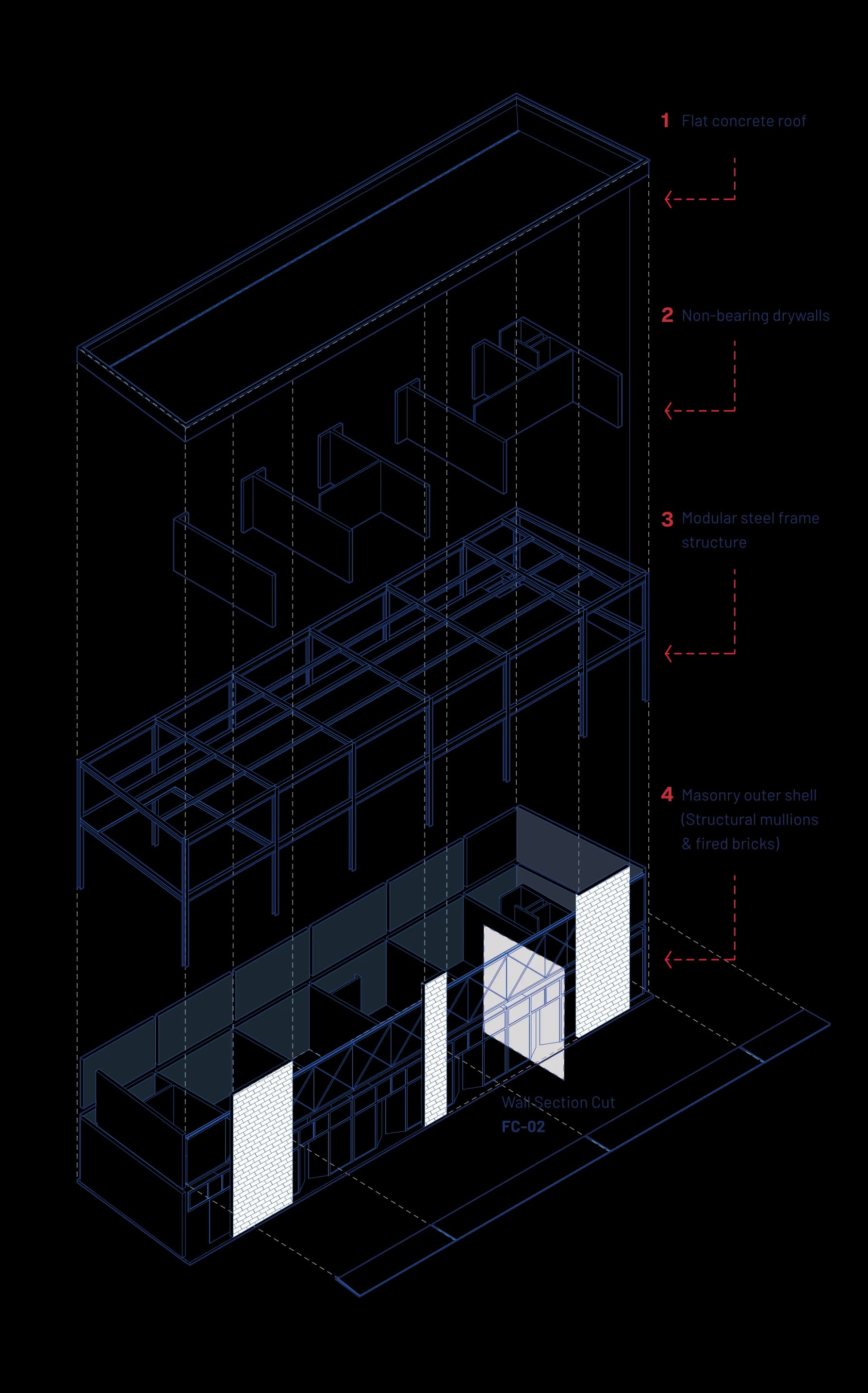
Facade Cuts
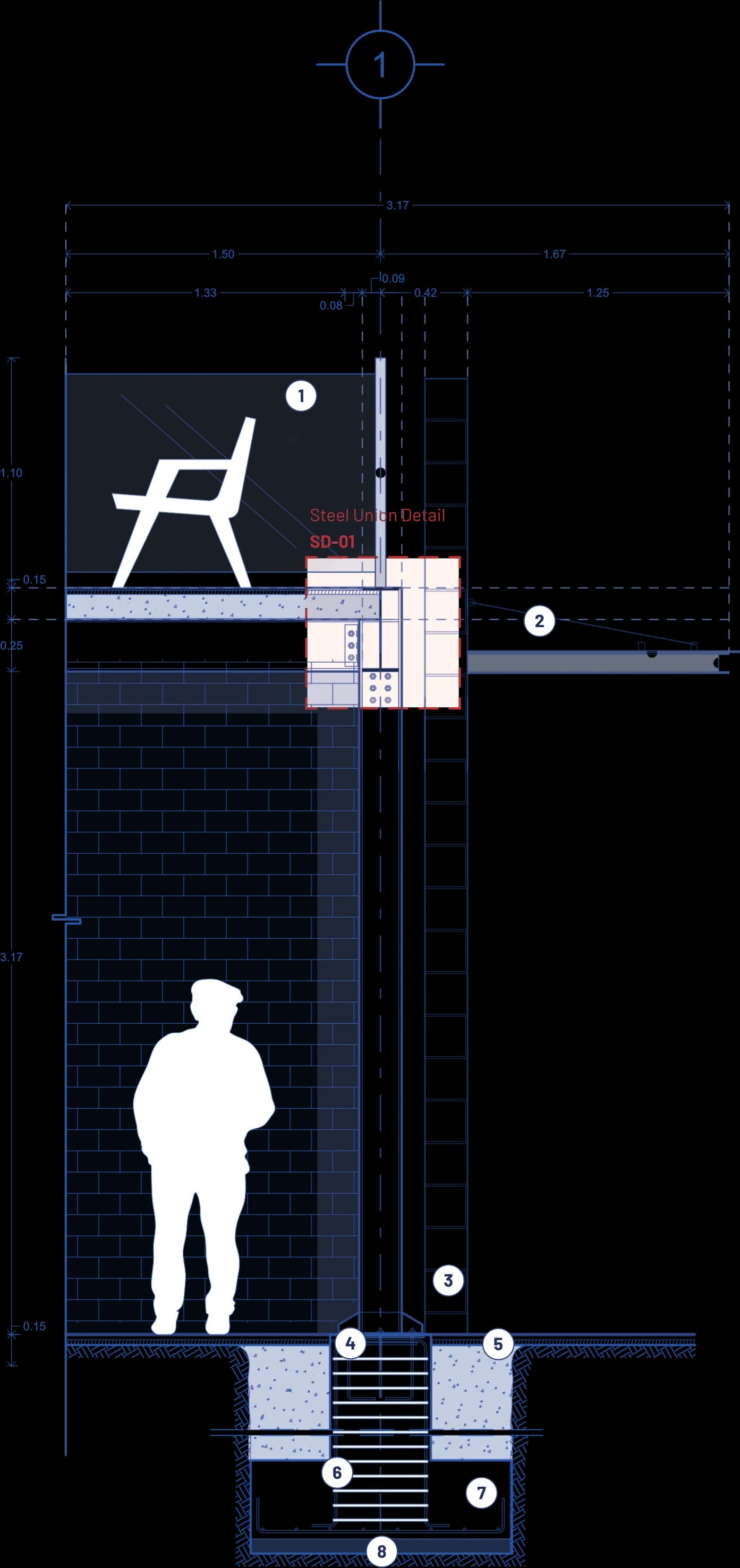
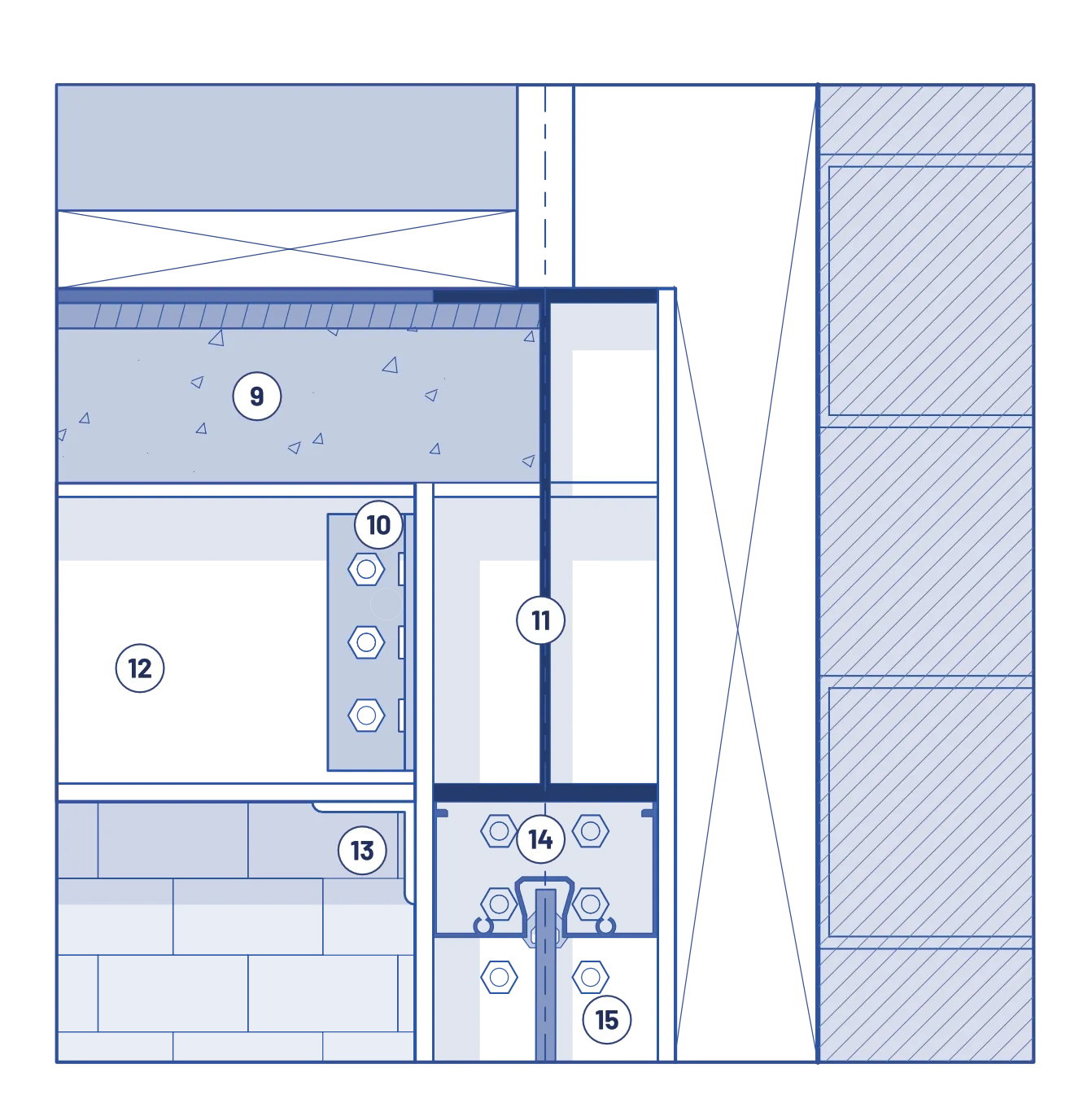
Construction Details
Results
A raise of ecological awareness and legal commerce based on local trade. The park promotes healthy living and social inclusion by making better use of leftover areas surrounding the Canal.
Learnings
• The importance of interviewing the residents and conducting surveys during the urban and architectural brief • The government urban project lacked an ecological approach or any green area restoration plans, which made the habitants reject the proposal • Closer understanding of urban dynamics when proposing new pedestrian, biking, and vehicle routes
Next steps
• Come up with a water restoration program with the government's collaboration • Propose an official change in the use of land for commercial and ecological conservation area • Expand the project area of intervention to the North so that it integrates smoothly with Canal Nacional Avenue and the Sports Center
Gallery
1 / 7
Image 1 of 7. cover.webp