06 • ILLUSTRATION
Handmade Perspectives
“The pencil in the architect's hand is a bridge between the imagining mind and the image that appears on the sheet of paper” -Juhani Pallasmaa
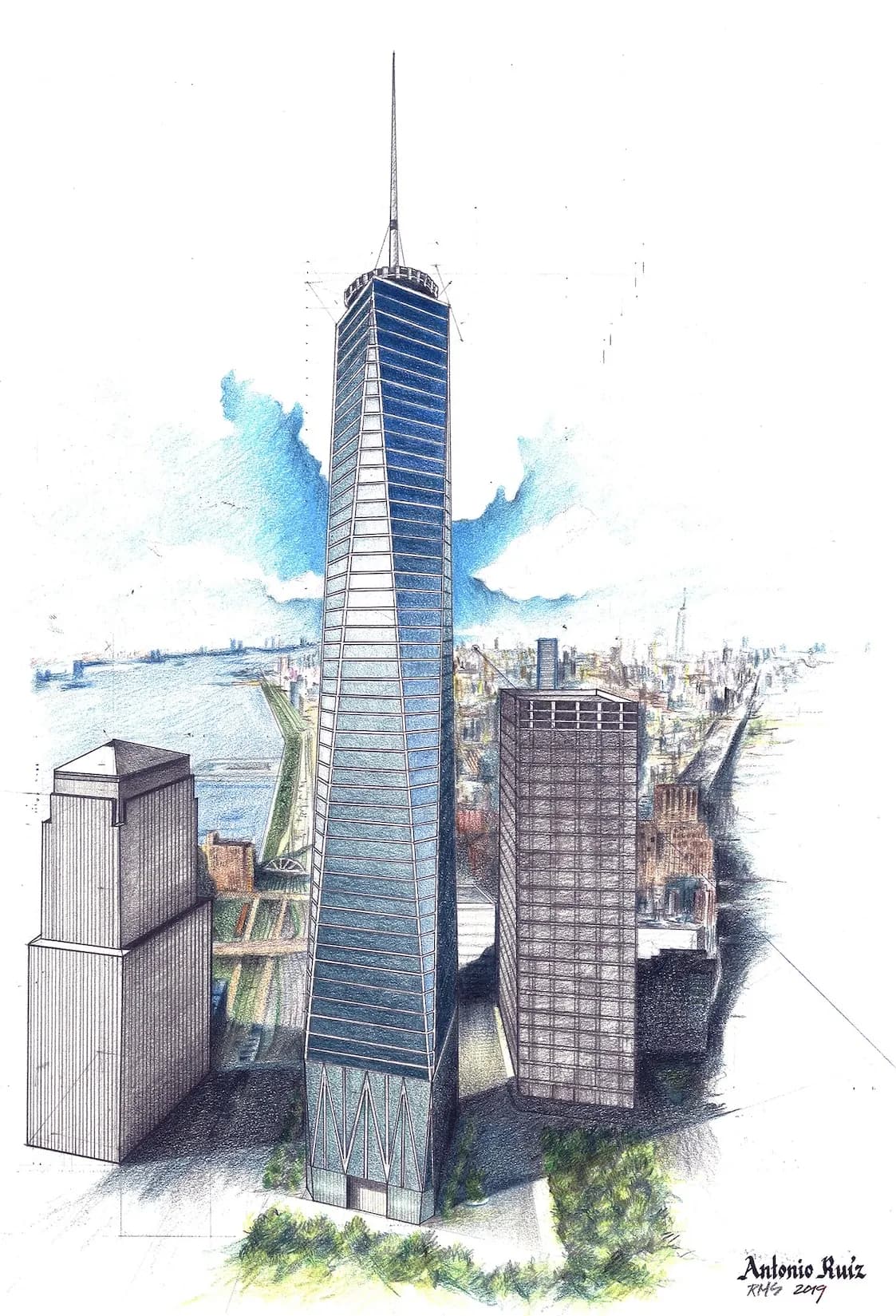
Overview
In an era where computation is rapidly taking over traditional design methods, hand-made drawings and prototypes seem to have lost importance against LLM models and other digital-design softwares such as BIM models and renderings in both academic and professional work environments. Contrary to how others perceive or value hand-drawing skills nowadays, I firmly believe they are still relevant during experimentation and digital fabrication, playing a crucial role in both conceptual exploration and project development: It is an integral part of my design-thinking process, which must be present in every project I undertake.
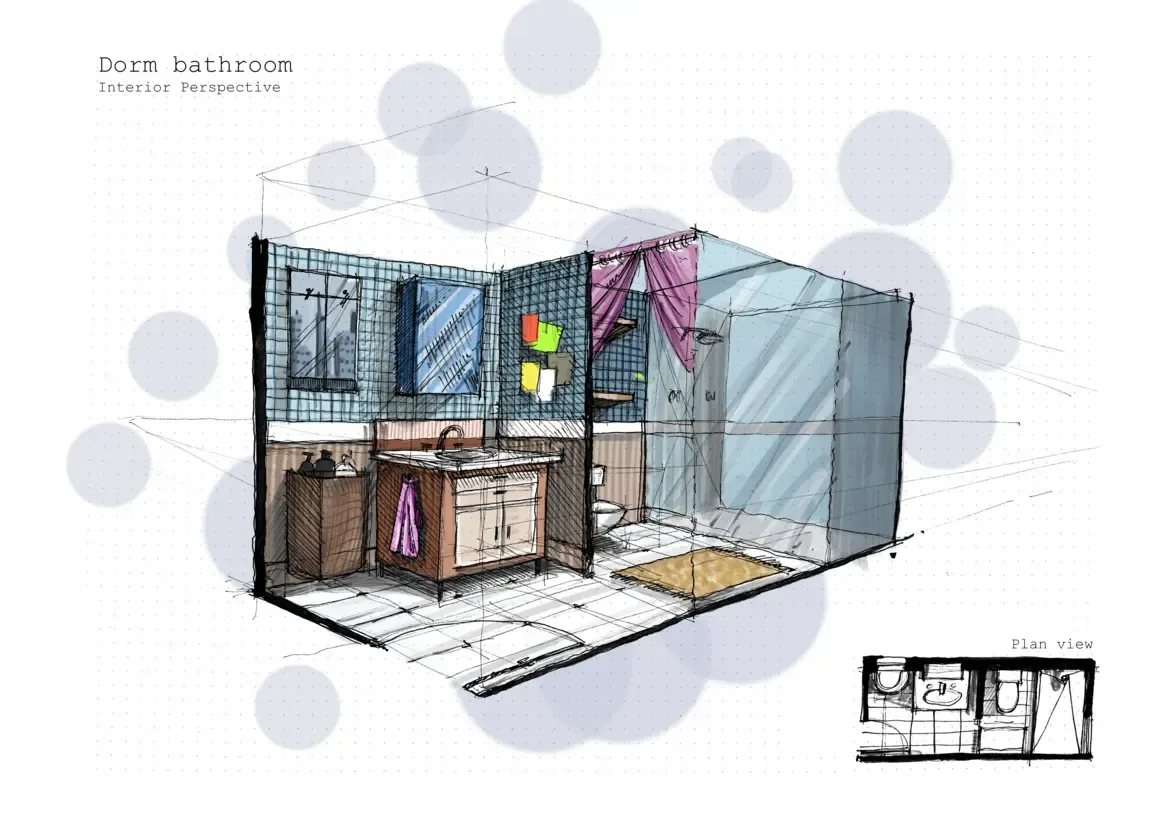
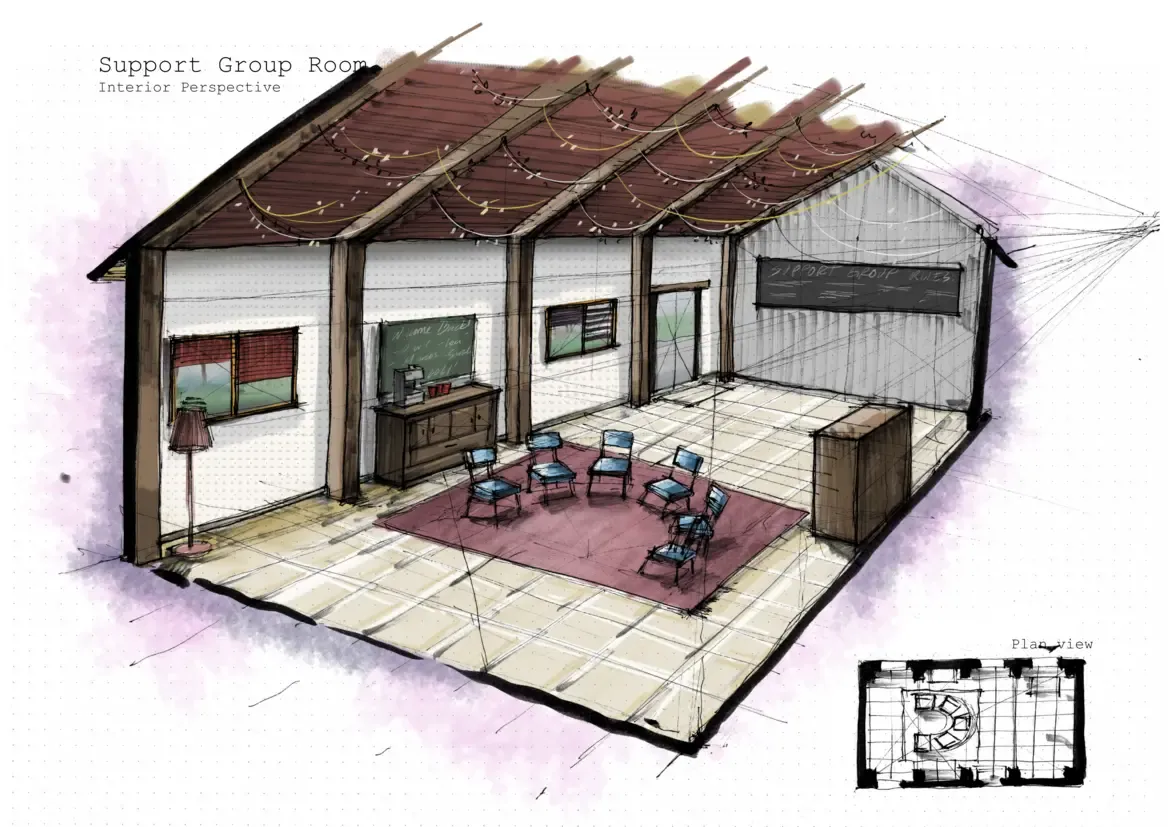
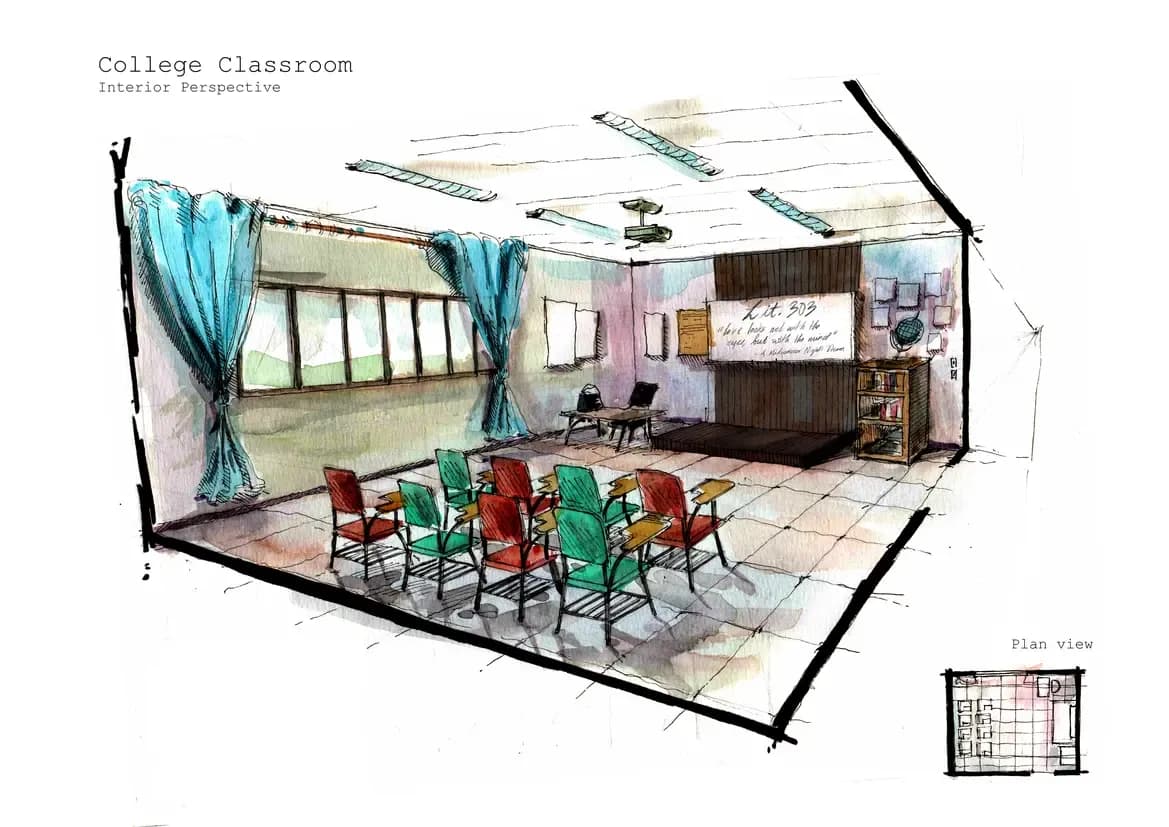
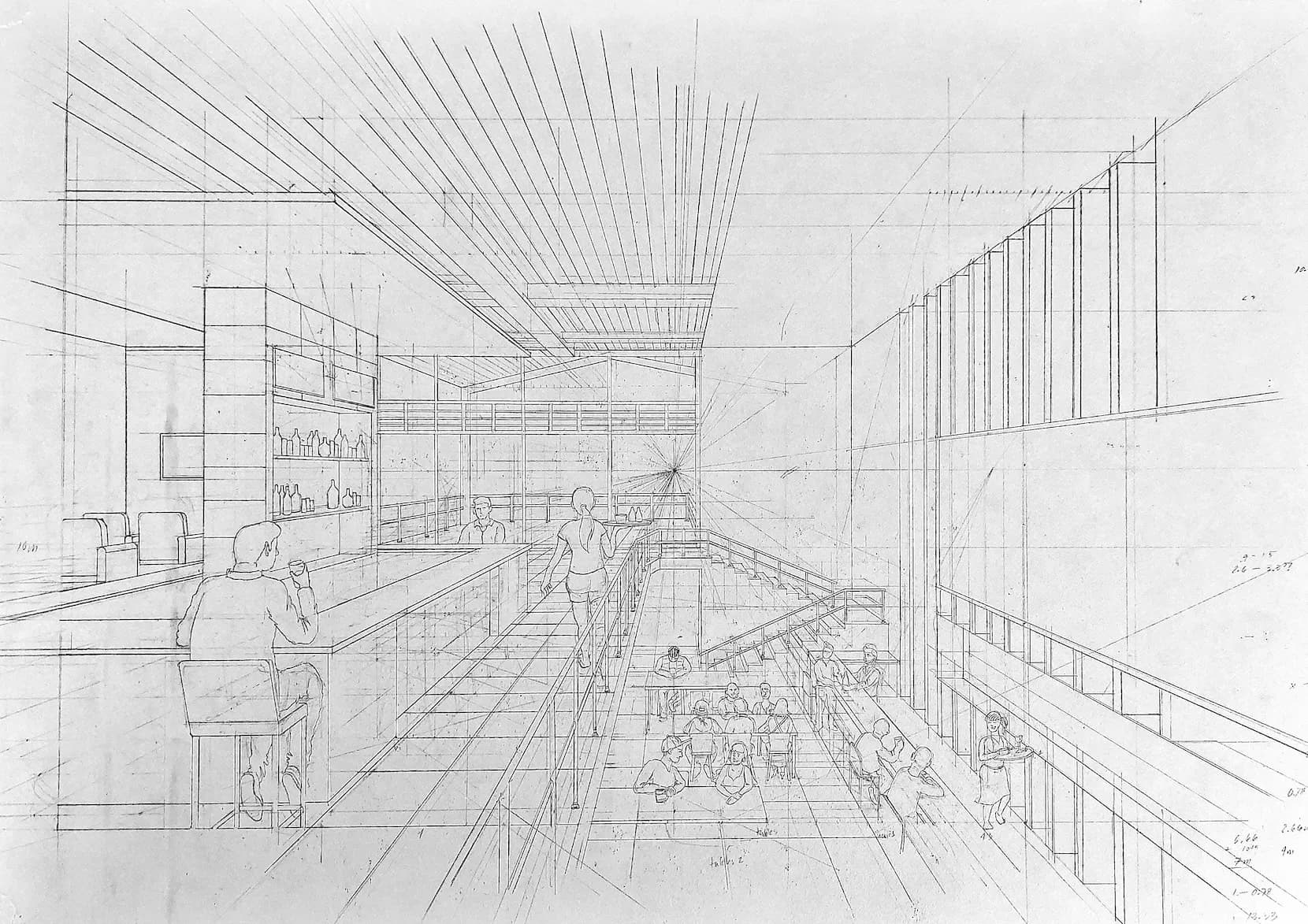
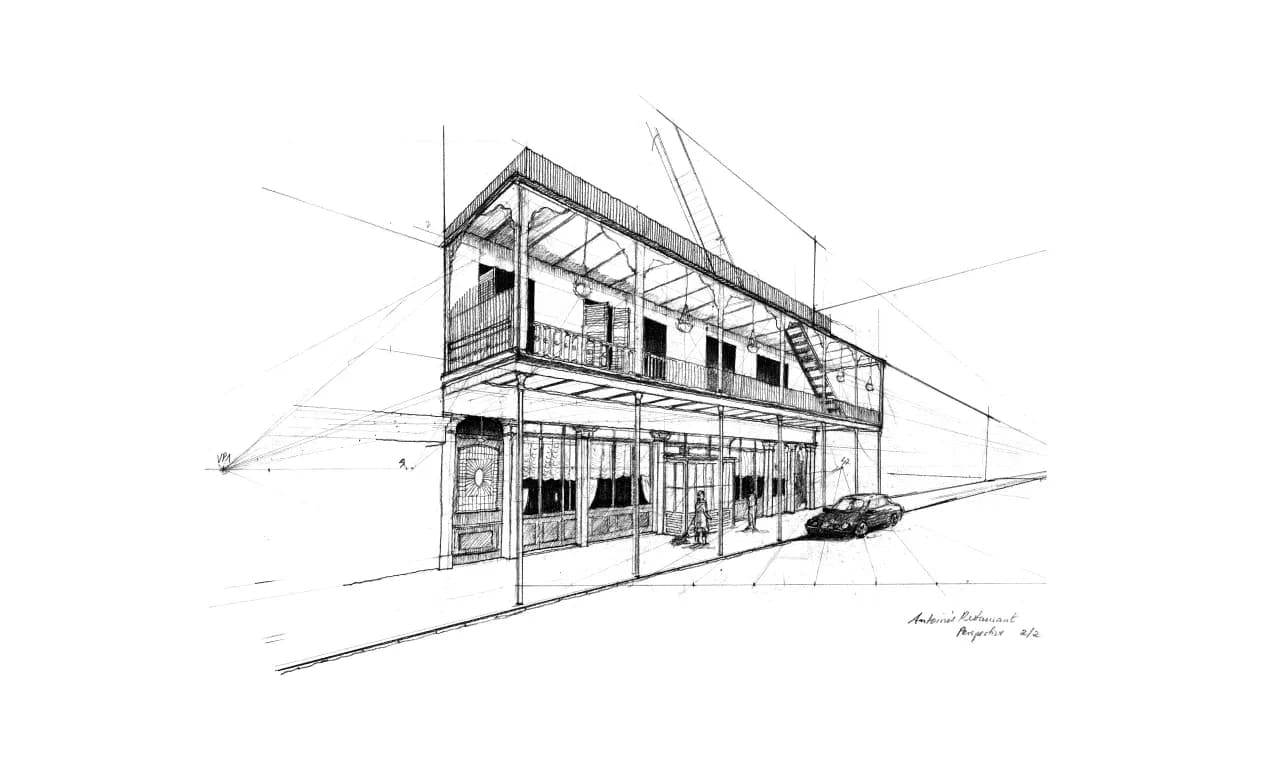
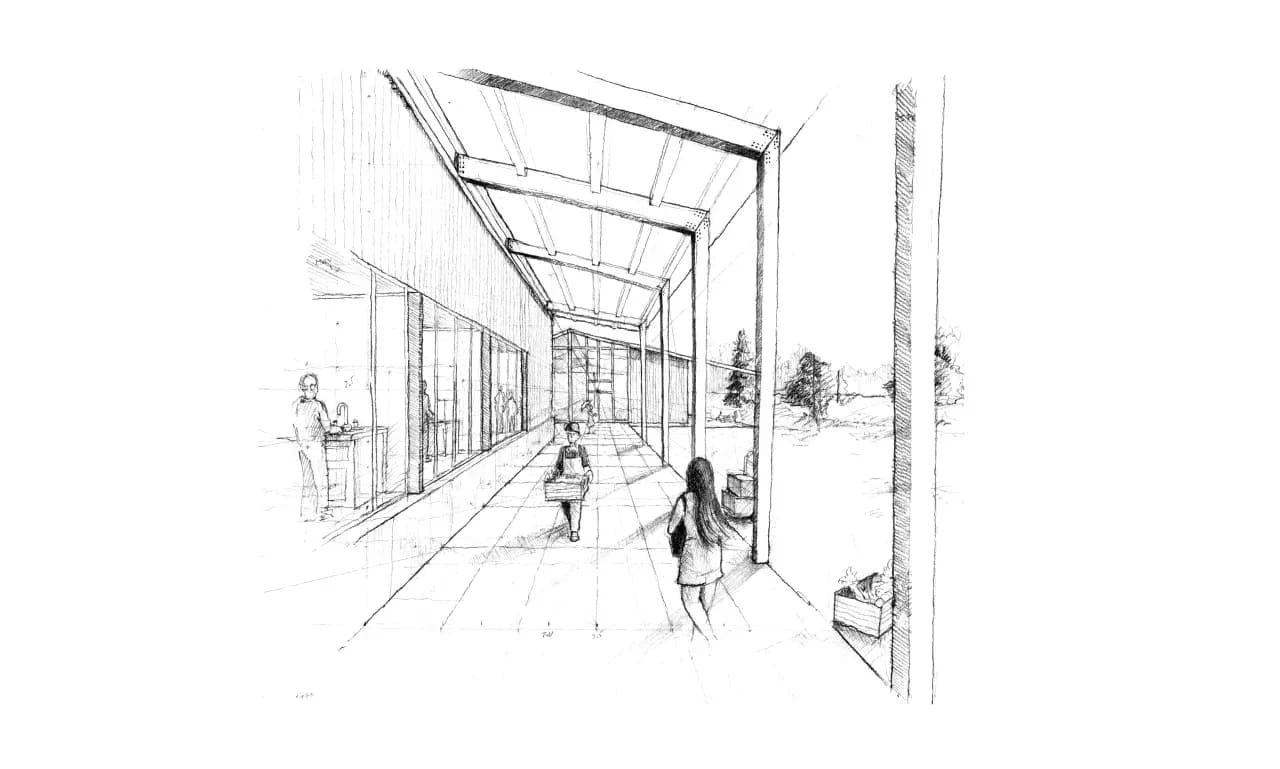
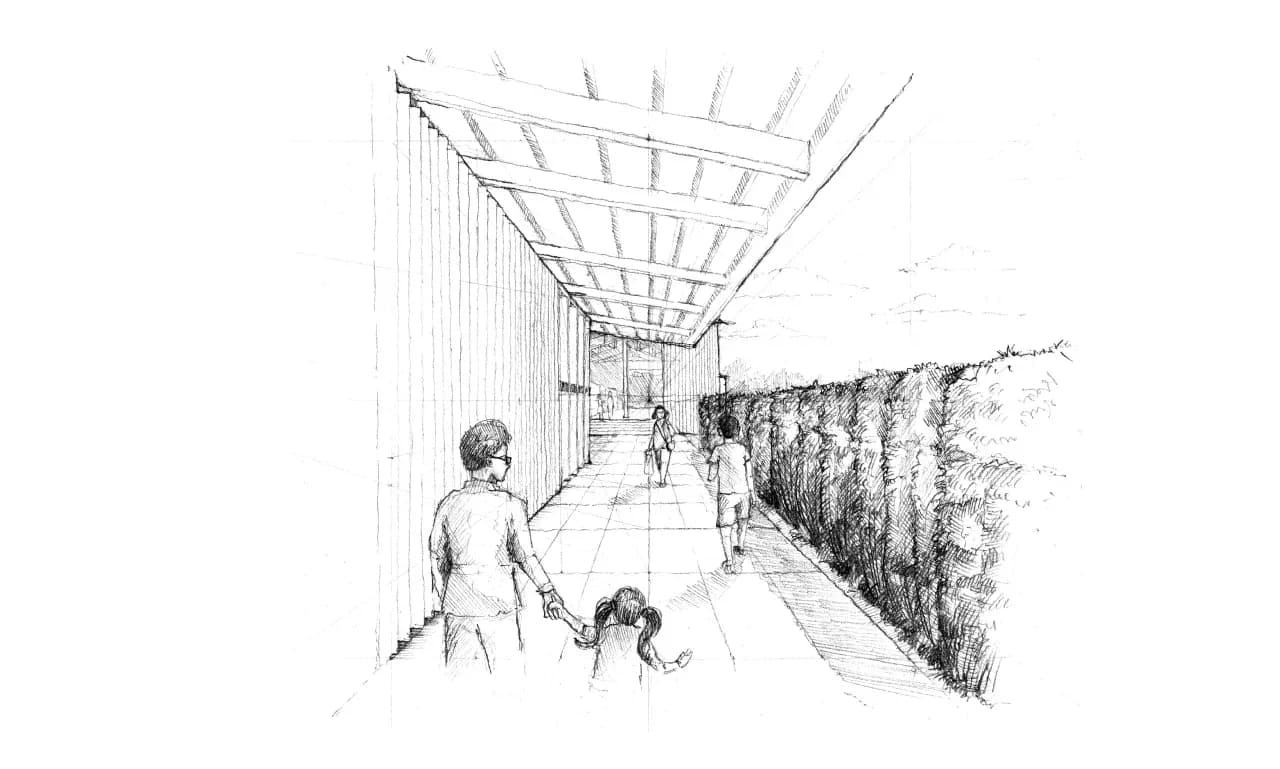
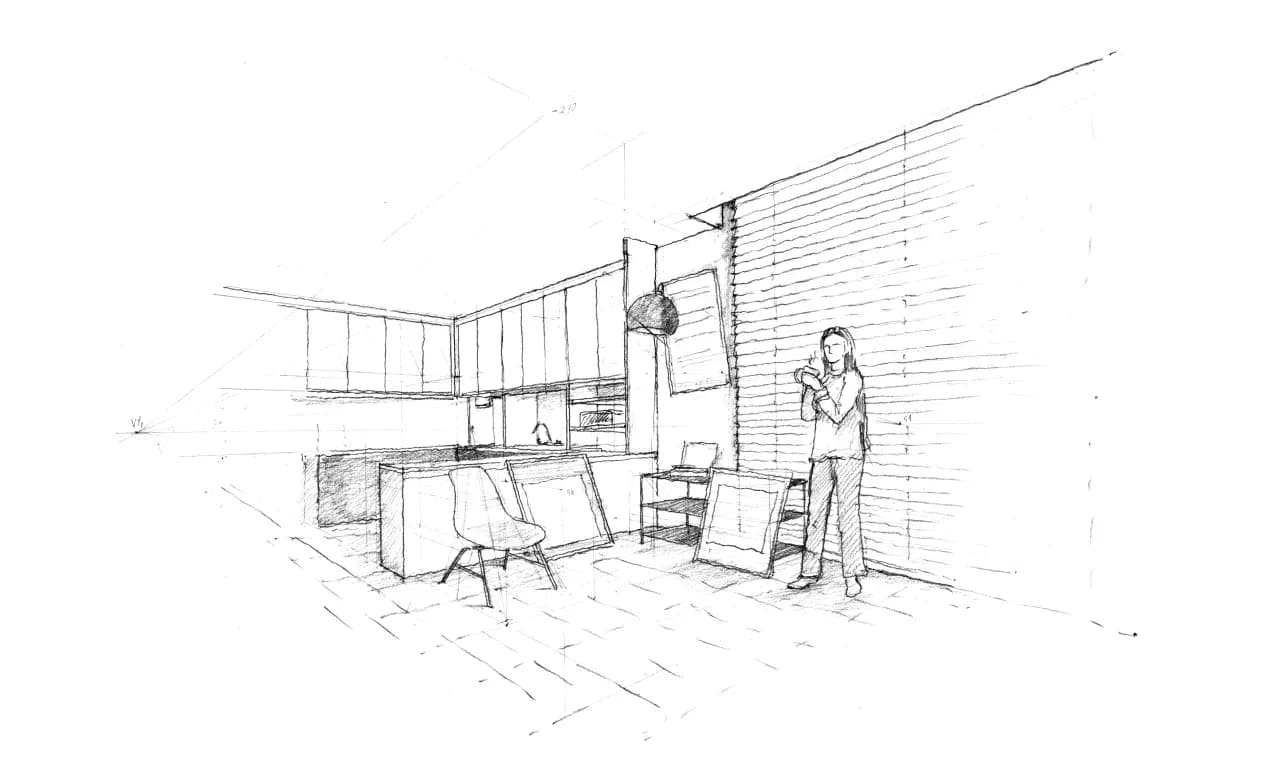
The Modular Perspective Method is an elective subject taught by Professor Tomás García Salgado at the Faculty of Architecture at UNAM, teaching students how to master the art of drawing 3D shapes precisely onto paper by using modules and special rulers. His teachings have been a great source of inspiration over the years, leading me to implement this knowledge in professional environments. Below is a brief compilation of perspective drawings made with and without rulers.
Challenges
The method has a steep-learning curve, making it difficult to translate floor plans and elevation blueprints into scene. Drawing frames are usually set to 20x20cm on paper and require a special set of rulers invented by TGS.
Objectives
According to the author of the Modular Perspective Method, Tomás García Salgado: The goal of modular perspective is to learn how the observer's eyesight is able to capture the shape, size, and distance of objects within his or her visual field; and then, how to draw them accurately in the perspective plane.
Approach
Modular Perspective Method and freehand sketches following perspective principles: one-point perspectives, two-point perspectives, three-point perspectives.
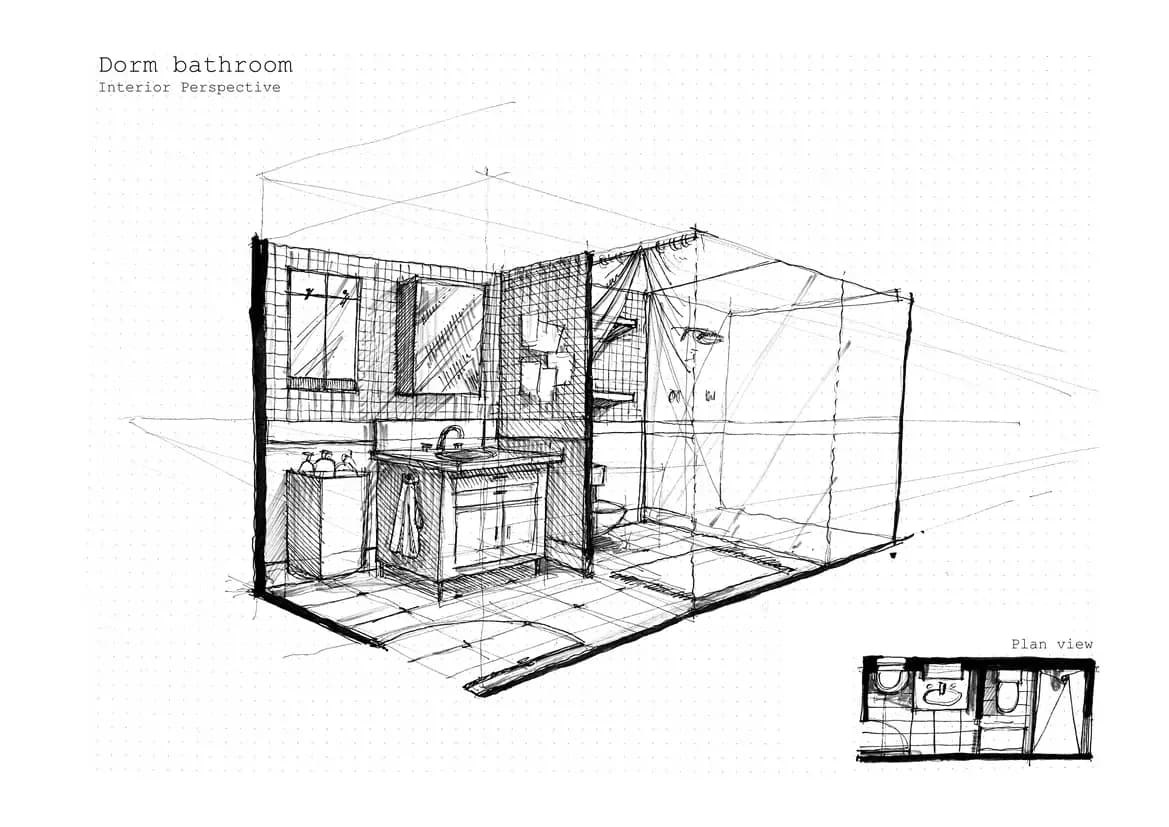
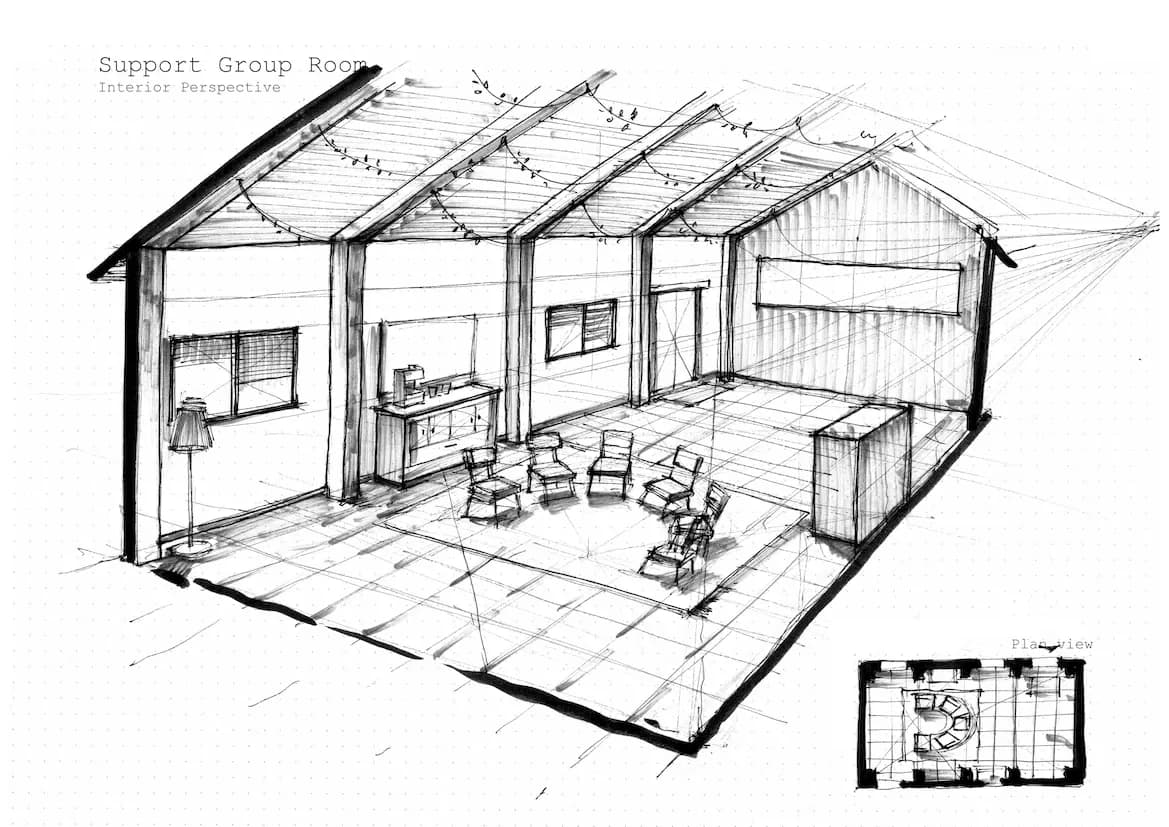
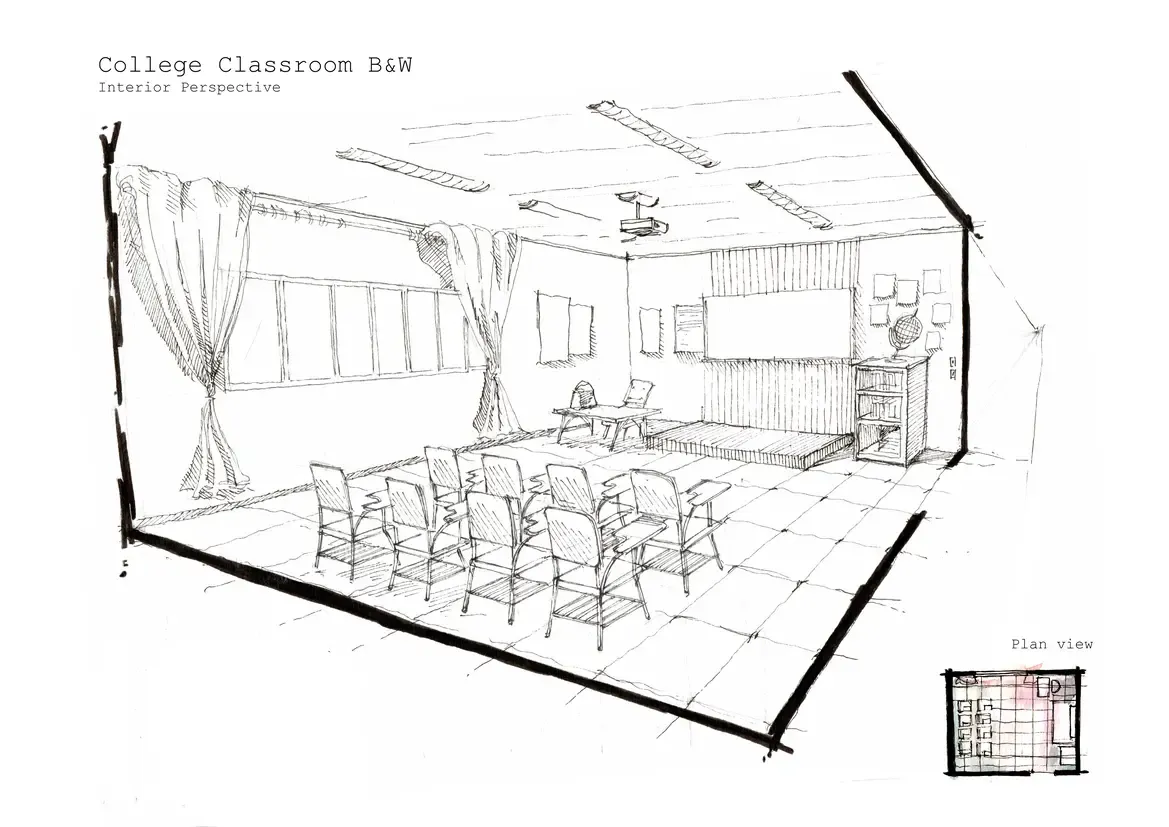
Elevations
Results
Highly-accurate perspectives taken from any angle at any given height and camera-lens. With the mastery of this method, 3D shapes can be easily illustrated with a surprisingly low margin of error.
Learnings
• Draw a perspective view from the blueprints of a building (or any other object), whether exterior or interior. • Sketch any view of an object in true dimensions directly in perspective, that is, without the aid of blueprints. • Sketch perspective views from preliminary schematic plans of an ongoing project in order to judge its shape and proportions. • Retrieve the true form and dimension of a 3D image, particularly useful for the geometrical analysis of painting masterpieces. (texts taken from https://www.modularperspective.com/#books)
Next steps
• Apply the method to atmospheric and curvilinear perspectives • Continue studying the method using the author's new published volumes • Learn how to trace more complex shapes such as organic architecture and parametric designs into the perspective plane
Gallery
1 / 6
Image 1 of 6. cover.webp